Pillows support the head and neck while contributing to comfort and alignment during sleep. Their feel depends on factors such as fill material, loft, firmness, and shape, so understanding these characteristics can help explain how a pillow may suit different sleep positions. As part of bedding, pillows complement mattresses in bedrooms and nursery settings.
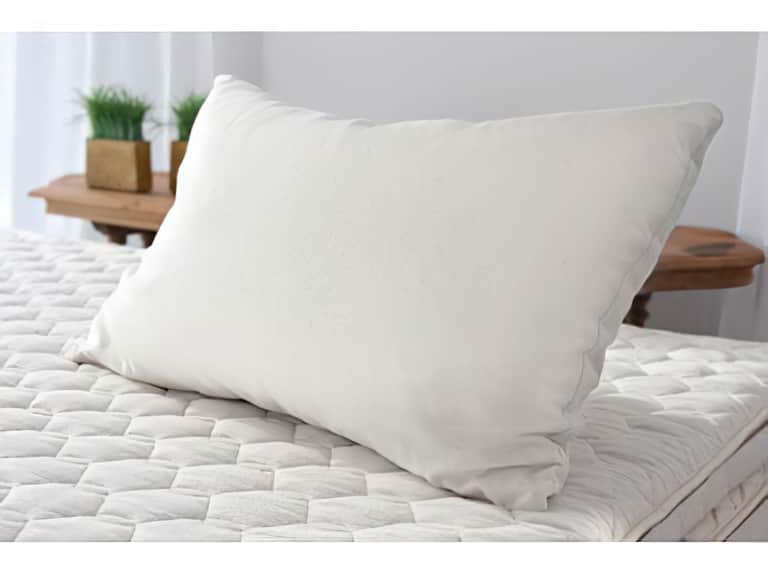
The Savvy Rest Wool Pillow uses wool fill, a natural fiber known for breathability and moisture management. These qualities can help limit heat and dampness around the sleeper, while the filling provides cushioning for the head and neck. Wool pillows may appeal to people seeking natural materials alongside organic mattresses or other considered bedding.
The Savvy Rest Organic Kapok Pillow is filled with kapok, a lightweight plant-based fiber valued for its soft, airy feel. Its low-weight fill offers cushioning without a dense sensation, making loft and comfort important considerations for individual use. Organic kapok can be relevant to households prioritizing natural materials in bedroom or nursery bedding.
When evaluating pillows, consider sleeping position, preferred firmness, and whether the pillow maintains comfortable support through the night. Side sleepers often need more loft to fill the space between shoulder and head, while back and stomach sleepers may prefer different heights. Fill responsiveness and breathability also influence how a pillow feels over time.
Pillow materials may matter in family spaces, including nurseries, where bedding choices are considered alongside organic crib mattresses. Always follow safe-sleep guidance for infants, which generally advises keeping pillows and other soft objects out of the crib. For older children and adults, washable covers and routine care help maintain a clean, comfortable sleep environment.
 Bedding