A Practical Guide to Natural Latex Mattresses: Comfort, Longevity, and Care
In a market saturated with foam, springs, and hybrid promises, natural latex mattresses stand as a quiet, stubbornly confident alternative. They are not a trend, but a philosophy: responsive support, durable resilience, and a touch of restraint when it comes to chemical treatments. This guide explores what makes natural latex special, how it compares with memory foam and innerspring systems, and how to care for a latex mattress so that it remains a faithful partner in sleep for years to come.
What is a natural latex mattress?
Natural latex is harvested from the sap of rubber trees, then processed into a foam or solid materials through methods such as Talalay and Dunlop. The resulting latex can be soft, medium, or firm, and its unique bubble-like cell structure provides both bounce and cushioning. Unlike synthetic foams, natural latex is prized for its potential to resist heat buildup and to endure with less sagging over time.
There are two principal processing methods you’ll encounter:
Talalay latex — a multi-stage process that yields a lighter, more uniform feel with a pronounced zonal consistency. It often feels more responsive and breathable, with a smooth, cradling contour.
Dunlop latex — a denser, more straightforward method that produces a firmer, more supportive core. It tends to be a bit springier and heavier, with a robust feel that many sleepers associate with durability.
When you see a latex mattress advertised as “natural,” the product should be backed by credible certifications that attest to the purity and safety of the materials. Look for certifications such as GOLS (Global Organic Latex Standard) or other recognized eco-labels that assure the latex is from organic sources and processed without questionable additives.
Why choose natural latex? Benefits in focus
The appeal of natural latex lies in its blend of responsiveness, durability, and hypoallergenic potential. Here are some core advantages to consider:
Responsive support with natural elasticity: Latex bounces back quickly, offering a supportive cradle without the sinking feel that can accompany some memory foams. This makes it easier to move across the bed, which many sleepers associate with reduced sleep disturbance.
Durability and shape retention: A well-made latex core resists permanent indentation, maintaining its feel over many years. This longevity can translate into fewer mid-life mattress replacements and less total cost of ownership over time.
Breathability and temperature regulation: The open cell structure of latex promotes airflow. Coupled with breathable covers, latex mattresses can feel cooler in warmer months and more comfortable in diverse climates.
Hypoallergenic potential: Natural latex is inherently resistant to dust mites and mold when well-sealed and properly maintained. For some sleepers with allergies, this can be an important factor in a restful night’s sleep.
Yet with these advantages comes nuance. Latex is not a universal remedy for all sleep concerns. A few caveats to keep in mind include the potential for higher initial odor with some latex products, sensitivity to certain individuals with latex allergies, and a cost profile that typically sits above entry-level foam or spring mattresses. As with any major purchase, a careful, informed approach pays dividends in satisfaction and longevity.
Firmness, feel, and choosing your latex mattress
The language of firmness can be slippery. Latex mattresses often present a broader range of feel across layers than memory foam, which tends to compress uniformly. When evaluating firmness:
Firmness scale: Manufacturers commonly describe latex as soft, medium, or firm. However, the true sensation is mediated by the thickness of the latex layer, the density of the support core, and the presence of any transition layers. A “medium” latex mattress with a thick comfort layer can feel more forgiving than a thinly layered “soft” model.
Thickness matters: A thicker latex layer generally yields more contouring and pressure relief at the surface, while a thinner layer emphasizes bounce and cradling without too much sink.
Talalay vs. Dunlop in practice: Talalay tends to feel lighter and more buoyant, which some sleepers interpret as a more forgiving response. Dunlop feels denser and more resilient, often delivering a firmer overall feel that can support heavier bodies or back sleepers well.
The ideal latex mattress aligns with your sleep style. Side sleepers often favor a bit more contour and pressure relief around shoulders and hips, while back and stomach sleepers may seek firmer support to maintain spinal alignment. If you share the bed, it’s worth noting that latex’s bounce can influence motion transfer, an area where higher-end latex blends or multi-layer designs can help minimize disturbances.
Certifications, safety, and what to look for
In a market crowded with bold claims, certifications serve as navigational beacons. For natural latex mattresses, credible certifications address both the origin of the latex and the processing methods used to render it into a finished product. Key certifications to seek include:
GOLS (Global Organic Latex Standard) — Indicates organic latex processed in a certified facility with defined production and handling standards.
Oeko-Tex Standard 100 or similar fabric certifications — These ensure that the fabric covers and any textiles in contact with the sleeper meet safety standards for harmful substances.
Certifications for the cover materials — Organic cotton or other natural fabrics used in the cover should also carry verifiable certifications to reinforce the overall eco-friendly claim.
Beyond certifications, inspect build quality: the density of the latex, the dimensions of the comfort layers, the presence of edge support, and the construction of edge-to-edge coverage. A well-built latex mattress must withstand years of nightly use without excessive compression at common contact zones.
Care and longevity: preserving your latex mattress
A latex mattress is not a passive piece of furniture; it requires attention to maintain its breathable surface and structural integrity. Practical care strategies include:
Use a breathable, removable cover — A cover made from organic cotton or a similarly airy fabric helps wick moisture and reduces the potential for staining.
Rotate regularly — Periodically rotating your mattress (head to foot) helps prevent uneven wear, especially if you’re a side sleeper who tends to press certain areas more than others.
Air it out — Latex can benefit from occasional fresh-air exposure. If possible, uncover the bed for a few hours on dry days to refresh the surface.
Spot clean with mild solutions — For stains, opt for mild, non-abrasive cleaners and avoid soaking the latex core, which can disrupt its resilience.
Keep the room within reasonable humidity — Latex’s performance is aided by appropriate humidity levels; extreme dampness can invite odors or mildew if the mattress is not well protected.
If you choose a latex mattress with a waterproof or moisture-protective layer, clean separately according to the manufacturer’s guidelines. The goal is to preserve the core’s elasticity while maintaining a clean, hypoallergenic surface for nightly use.
Comparisons: latex versus memory foam and innerspring
To situate natural latex within the larger universe of sleep comfort, it helps to contrast it with two other common paths to comfort.
Latex vs memory foam: Memory foam contouring is superb for pressure relief, but many sleepers report a warmer bed and a slower response when moving. Latex offers quicker recovery, better airflow, and a more buoyant feel, which can translate into a sense of freedom of movement. For some, latex can strike a balance between contouring and bounce that memory foam cannot match.
Latex vs innerspring: Innerspring systems provide strong edge support and direct, cool airflow at the coils. When paired with latex comfort layers, you can achieve a blend of sturdy support and responsive surface. Latex alone, however, emphasizes body-specific contour and can minimize motion transfer when designed with appropriate layering.
Each sleeper’s preference should guide choice. If you crave a mattress that immediate responds to your weight shift and maintains a steady temperature, natural latex deserves serious consideration. If you prioritize dramatic body-hugging relief or a cooler top layer, you might explore a hybrid that leverages latex in conjunction with mild memory foam or spring elements.
A note on the modern market and accessibility
As with any durable good, the market for natural latex mattresses spans a spectrum of price, quality, and transparency. While premium brands often emphasize the ethical sourcing of latex and the meticulousness of the manufacturing process, value-oriented offerings can still provide reasonable performance if they maintain certification attestations and solid construction standards.
Consumers are encouraged to read product briefs with a critical eye. Ask questions about sourcing, the exchange policy, and the presence of any chemical additives in the foam or covers. The promise of a natural product is not simply a label; it is a chain of custody from tree to mattress that deserves scrutiny.
Practical steps to decide: a quick decision framework
When you’re faced with a shelf of latex options, use this simple framework to guide your decision:
Set your priorities: Is temperature control, edge support, or pure responsiveness most important?
Check certifications: Prioritize models with recognized organic or safety certifications for extra assurance.
Consider your sleep position: Side sleepers may want a gentler cushion; back and stomach sleepers might favor a firmer profile.
Factor in bed size and room climate: A cooler room with breathable covers supports latex’s performance, while a warmer climate may benefit from a latex variant with enhanced airflow.
Assess trial periods and returns: A generous trial period helps you adjust to the feel of latex in your own sleep environment.
The takeaways
Natural latex mattresses offer a blend of resilience, responsiveness, and breathable comfort that appeals to sleepers seeking long-term durability and a surface that feels buoyant yet supportive. The key to a satisfying latex experience lies in an informed selection—understanding firmness, layer composition, and certification—paired with a thoughtful care routine that preserves the core’s integrity.
For readers exploring local options and practical guidance around sleep health in a Portsmouth-focused context, the value of latex becomes part of a broader conversation about how we design our sleep environments. The bed you choose is not merely a place to rest; it is a foundational contribution to daily energy, mood, and well-being.
A note on products that complement latex comfort
While the article centers on natural latex, some readers may appreciate complementary bedding items that enhance the overall sleep experience:
Mattress toppers in natural materials can add an extra cushion or adjust surface feel without altering the core latex mattress.
Breathable mattress protectors protect against spills while allowing air exchange, which aligns with latex’s temperature-regulating strengths.
High-quality covers made from organic cotton or other natural fibers can maintain a cool surface and reduce irritants.
In the end, the sleep environment is holistic: you, your mattress, the room, and the rituals that frame your nightly routine. Natural latex is a durable thread in that fabric, offering a combination of support and comfort that many sleepers find to be both sensible and elevating.
Related products
The following items align with a careful, non-commercial approach to sleep environments. Where applicable, product links direct to the official product pages.
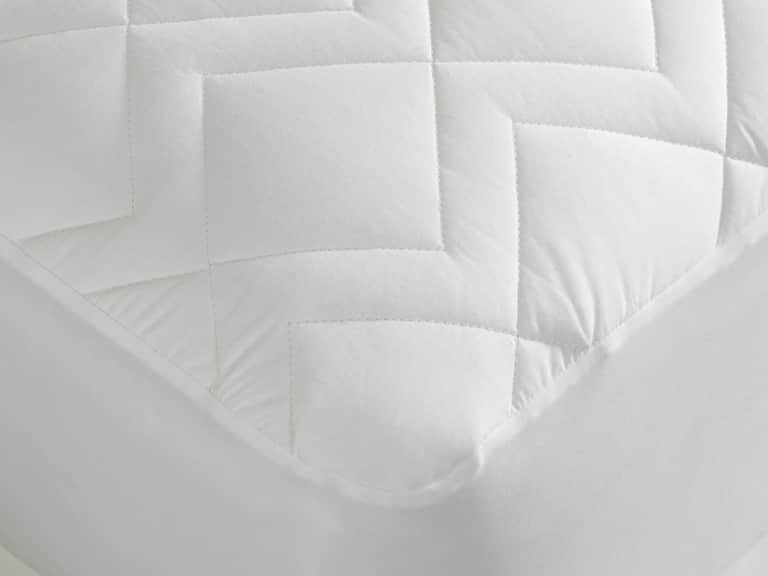
DownTown Company Waterproof Quilted Mattress Pad — A breathable, noiseless cover that protects while maintaining surface comfort. Suitable as a practical complement to latex layers, ensuring longevity and hygiene without compromising the feel of the underlying latex mattress.
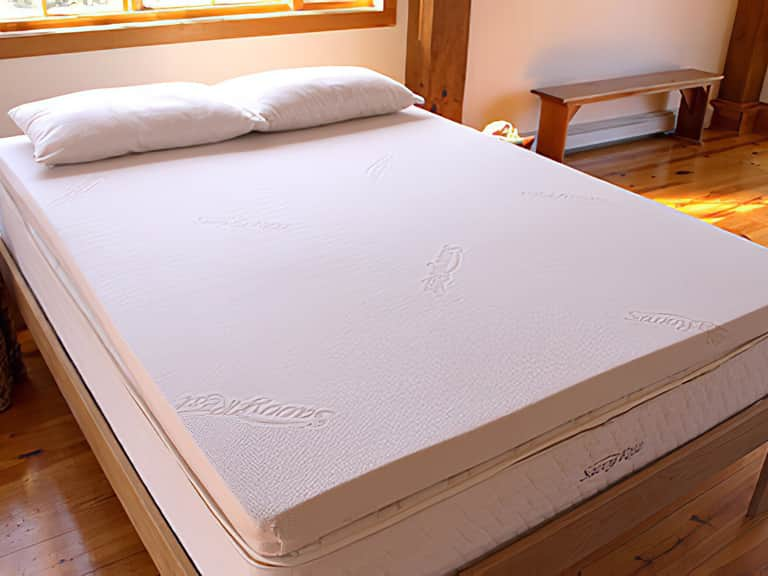
Savvy Rest Vitality Latex Mattress Topper — If you’re seeking to tailor the surface to a softer or firmer profile, a latex topper can refine the feel of a latex core without changing its fundamental qualities.
Conclusion: a durable invitation to better sleep
Natural latex mattresses invite a philosophy of sleep that favors longevity, breathability, and precise support. They resist the impulse to conform too quickly, offering instead a balanced response that aligns with diverse sleeping styles. In a world where mattress technology often signals instant gratification, latex stands as a reminder of slow, patient refinement—the kind of refinement that yields restful nights and steadier mornings.
For readers exploring sleep health within a Portsmouth-focused lens, the core message remains universal: better sleep starts with clarity, credible sources, and a willingness to invest in quiet, restorative comfort. A natural latex mattress, thoughtfully chosen and properly cared for, can be a faithful companion on that journey.
Experience undisturbed, silky-soft sleep with noiseless, breathable cotton—plus a perfect deep-fit finish that guards against spills and keeps your bed pristine. Easy care, lasting comfort, and timeless Downtown quality in every night.
Cushion your nights with 3 inches of soft Talalay latex inside a breathable organic cotton cover—molds to you for cloud-like comfort, adds pressure relief, breathability, and durability, all without chemicals.
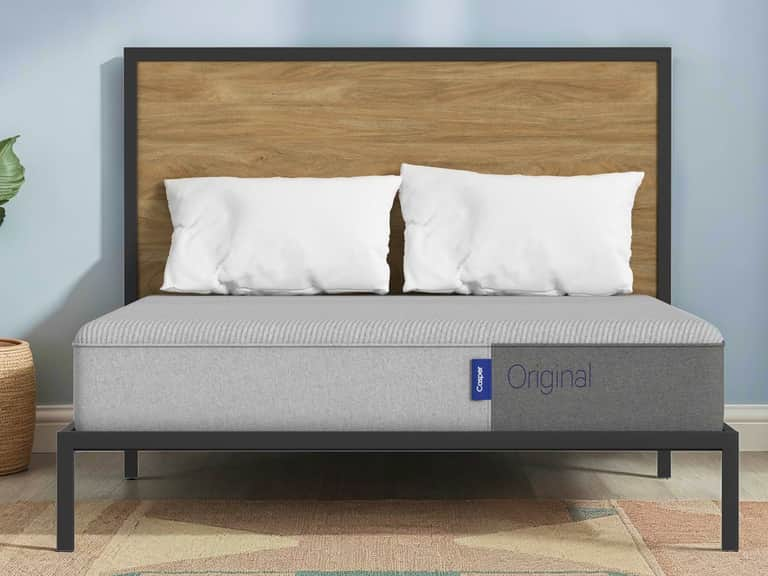
Sleep cooler and more comfortable with breathable Casper Signature Foam, contouring memory foam, and three-zone Zoned Support for spinal alignment and steady, responsive comfort all night.